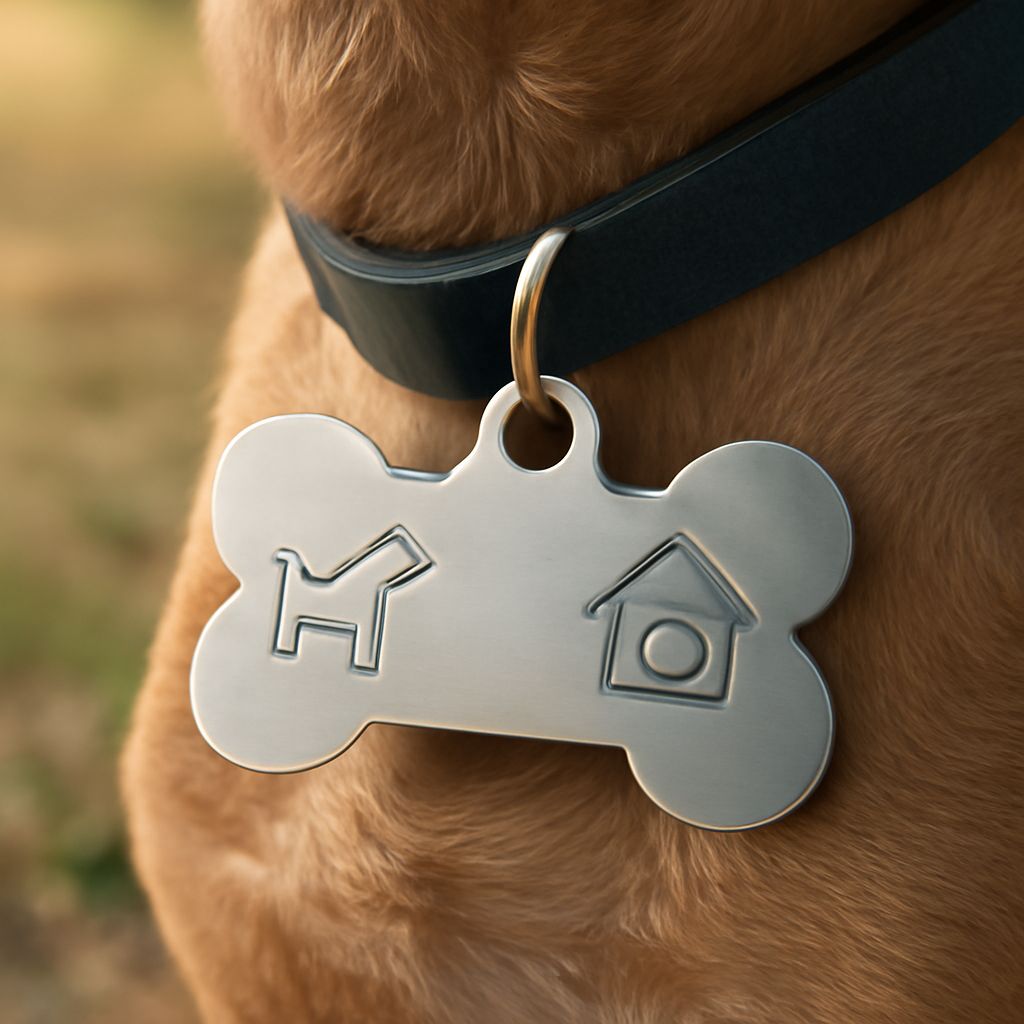
Myths abound about rabies in dogs, leading many pet owners to ponder the question, “How can you tell if your dog has rabies?” Some believe that only stray dogs are prone to this disease, while others think their gold dog tag can shield their furry friends from any harm. However, rabies isn’t limited by a dog’s status or accessories; even the most cherished pets, like the pygmy owl known for its distinctive features, are susceptible. Understanding rabies’ essential signs can help safeguard all companions, whether feathered or furry.
Rabies, a viral disease affecting the nervous system, can be fatal if untreated. It’s important to distinguish these symptoms from other ailments, ensuring appropriate care is sought. This article will delve into how to recognize rabies symptoms, the steps you should take if you suspect a rabies infection, and methods to prevent the disease in your dog.
Recognizing the Symptoms of Rabies in Dogs
Rabies in dogs can manifest through various behavioral and physical symptoms. Although the virus can affect many species, its signs in domestic dogs are remarkably consistent. Early indicators often include changes in temperament, such as increased aggression or unusual shyness. As the disease progresses, the canine might exhibit increased drooling, difficulty swallowing, and erratic movements.
While these symptoms are alarming, not every drooling dog has rabies. Fever, seizures, and paralysis can also occur in the later stages, necessitating a closer examination to determine if the dog exhibits the disease. Remember that behavioral changes might not be exclusive to rabies, as dogs can demonstrate similar signs due to other health issues. Employ caution and consult a veterinary professional for definitive diagnosis.
Steps to Take if You Suspect Rabies
If you suspect your dog has rabies, immediate action is vital. First, safely isolate the animal to prevent any potential transmission to humans or other pets. Avoid direct contact if the dog shows aggressive tendencies, and remember that rabies is highly contagious and poses serious health risks.
Contact your veterinarian promptly for guidance. They can perform necessary tests to confirm the presence of the virus. In cases of confirmed rabies, strict protocols might be required to manage the situation. Follow professional advice without delay, as rabies requires specialized procedures that should only be handled by trained experts.
Preventing Rabies in Dogs
Prevention of rabies is simpler than managing an outbreak. Start by ensuring your dog’s vaccinations are up-to-date, as rabies shots are the most effective defense against the virus. Regular check-ups with a vet can keep your pet’s health on track, identifying potential risks before they escalate.
Limiting your dog’s exposure to wild animals and strays can reduce the likelihood of rabies transmission. Educate yourself on safe practices, such as supervised playtime and secure fencing, to protect your dog from potential carriers of the virus. Also, consider enrolling in obedience training to ensure your dog responds appropriately in unfamiliar situations.
Managing rabies risk involves a combination of vigilance, preventive measures, and professional guidance. Should there be any doubt regarding unusual symptoms, professional consultation is crucial. Rabies is a grave concern, but with proper management, it’s entirely preventable.
Bottom line: Proper understanding and early detection of rabies symptoms are crucial for safeguarding your dog. Always consult a veterinary professional for advice and maintain preventive measures like vaccinations to ensure your pet’s health remains uncompromised. Rabies may be deadly, but with informed care, you can protect your beloved companion effectively.