It’s a common scenario that leaves many dog owners puzzled: the sight of their dog having diarrhea yet seemingly acting fine. When your dog exhibits a bright demeanor despite having an upset stomach, it can be challenging to decide whether to worry or simply let it pass. This confusion often leads to misunderstanding the situation, attributing it solely to a dietary slip or environmental stress.
Understanding why your dog has diarrhea but acts fine is crucial for addressing the issue effectively. Whether it’s a case of runny poop or a more severe underlying problem like an infection, knowing when to seek help and when to apply home remedies could make a significant difference in your dog’s health and well-being.
Why Is My Dog Having Diarrhea but Acting Fine?
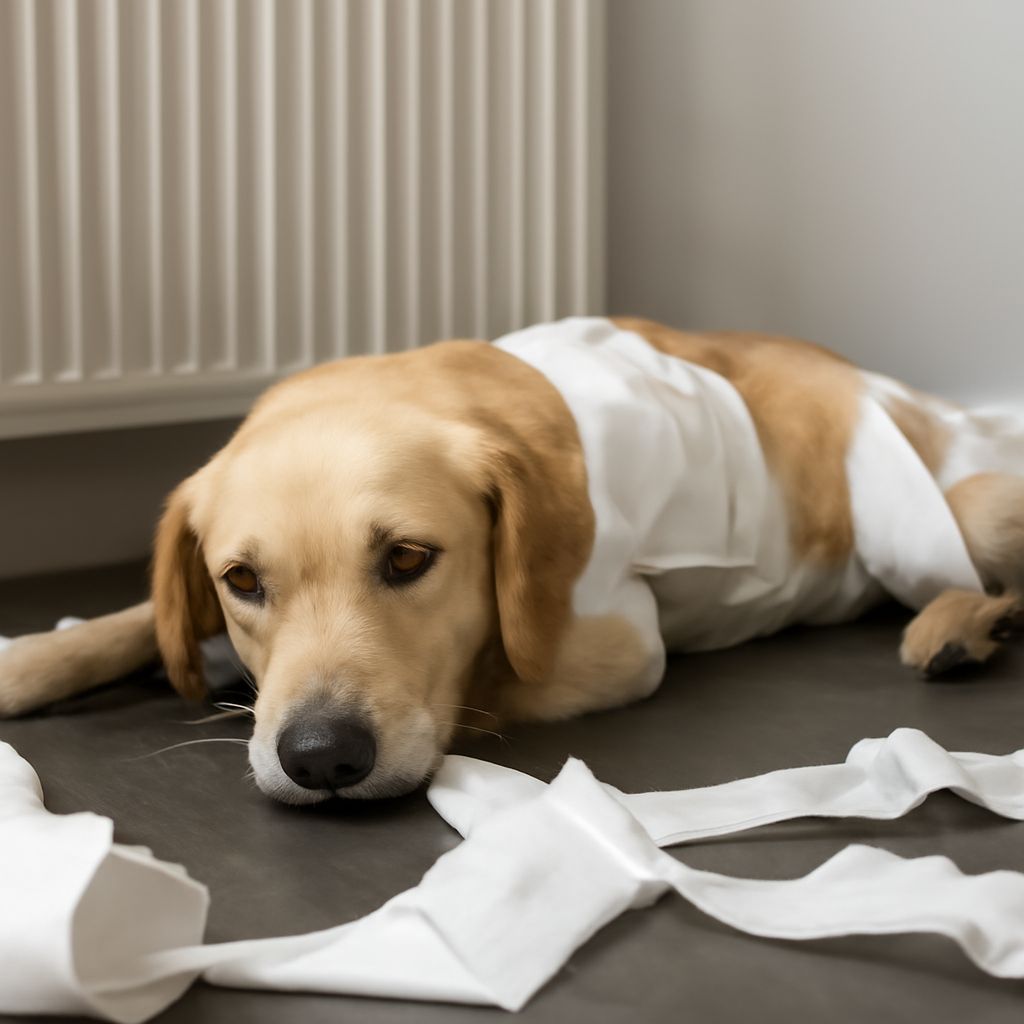
When a dog has diarrhea yet seems otherwise normal, the causes can be varied. Often, an upset stomach results from minor dietary indiscretions, such as consuming food not suited for their digestive system. In some cases, dogs have a remarkable ability to mask discomfort, which may explain their seemingly unaffected behavior despite gastrointestinal disturbances.
However, diarrhea in dogs can sometimes signal more severe issues like infections or chronic conditions. While it’s possible for a dog to have runny poop and still appear lively, consistent or worsening symptoms should not be ignored. Keeping an eye on your dog’s overall activity and demeanor is a key part of assessing the situation.
Common Causes of Diarrhea in Dogs
Dietary Indiscretion
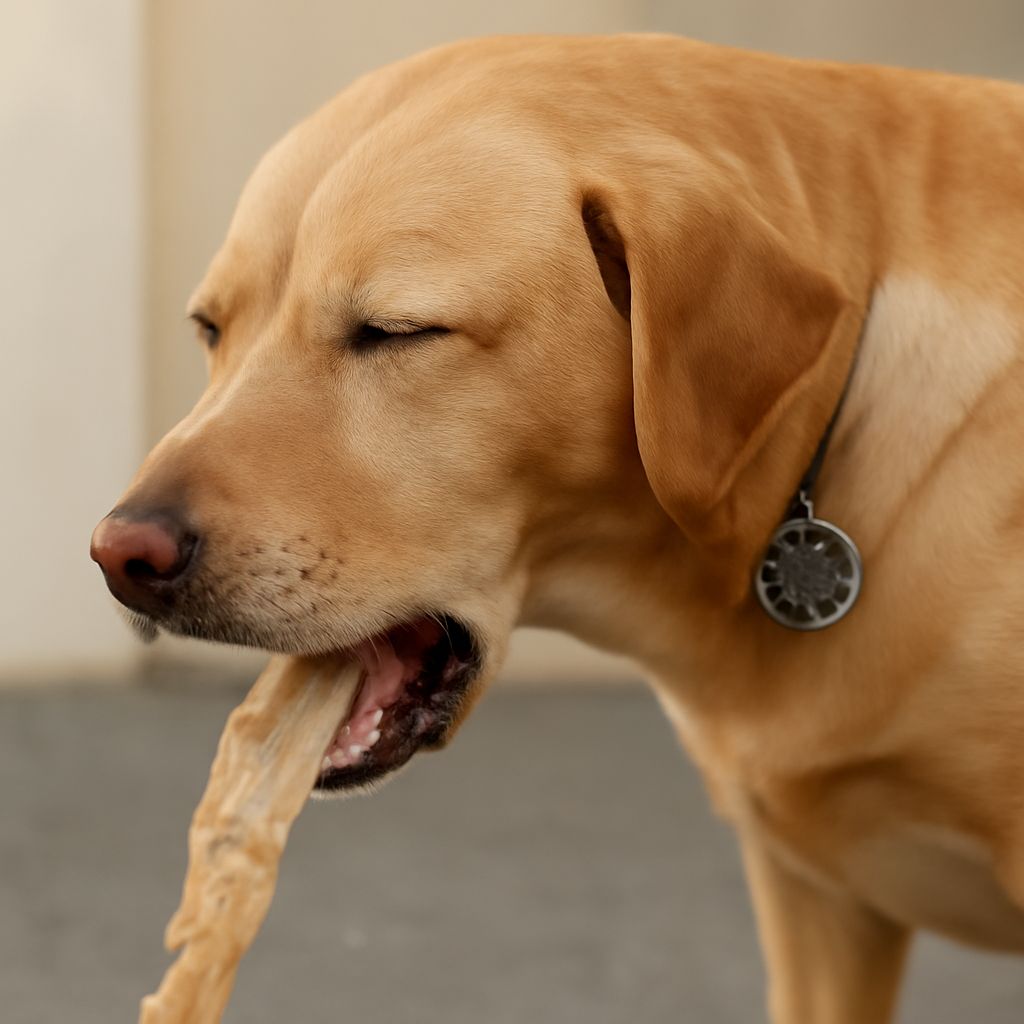
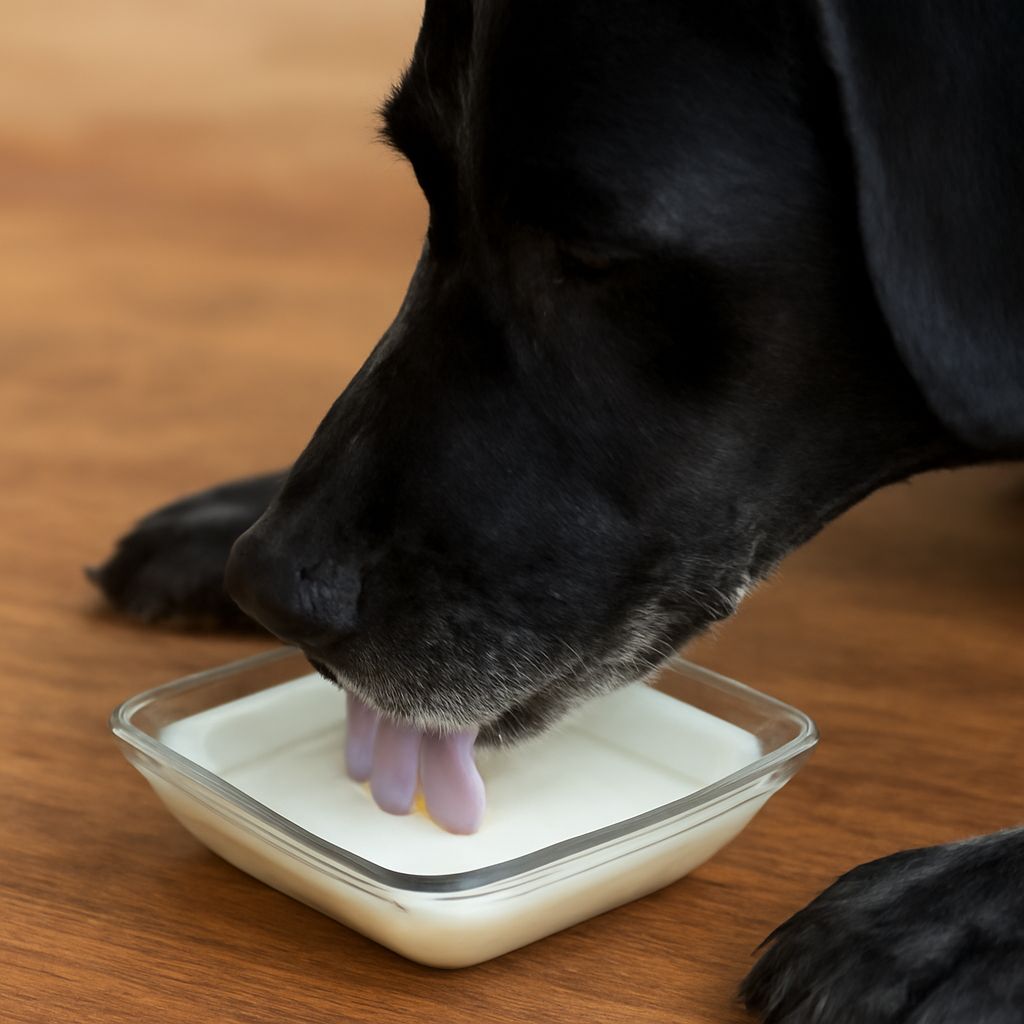
Dogs are notoriously curious eaters, often consuming items that upset their stomachs. This behavior, known as dietary indiscretion, can lead to diarrhea as their digestive system reacts to the unfamiliar or inappropriate food.
Stress and Anxiety
Just like humans, dogs can experience digestive issues when stressed. Changes in their routine, a new environment, or separation anxiety can all contribute to gastrointestinal upset, manifesting as diarrhea.
Parasites
Parasites are a common culprit behind a dog’s gastrointestinal issues. Worms or other parasites can cause persistent diarrhea, and even if your dog acts fine, a visit to the vet for proper diagnosis and treatment is crucial.
When to Worry: Signs That Need Attention
While occasional diarrhea can be normal, certain symptoms should prompt immediate concern. If your dog has diarrhea and won’t eat, appears lethargic, or exhibits signs of dehydration, it is essential to consult a veterinarian. Blood in the stool or a rapid onset of frequent diarrhea can indicate a more serious health issue that requires professional intervention.
Home Remedies and Treatment Options
For mild cases where your dog has diarrhea but is otherwise healthy, home remedies may be effective. Feeding a bland diet, such as boiled chicken with rice, can help soothe your dog’s stomach. Incorporating fiber-rich foods like pumpkin can also aid in firming up their stools.
Ensure your dog stays hydrated, as diarrhea can lead to dehydration. Always provide fresh water and consider offering an electrolyte solution if recommended by a veterinarian. If symptoms persist, professional advice should be sought to rule out more serious conditions.
Preventing Future Episodes of Diarrhea
To reduce the likelihood of future diarrhea episodes, maintain a consistent diet and avoid sudden changes in your dog’s food. Regular deworming and keeping up with vaccinations can help prevent parasite-related issues.
Minimizing stress and providing a stable environment are also beneficial. If you anticipate changes to your dog’s routine, introduce them gradually to help adjust their digestive system smoothly.
Bottom line: Understanding your dog’s diarrhea while they act normally is essential for effective management. By observing symptoms closely and employing preventive measures, you can ensure your dog’s digestive health remains in check. For persistent or severe cases, consulting a veterinarian is always the best course of action.