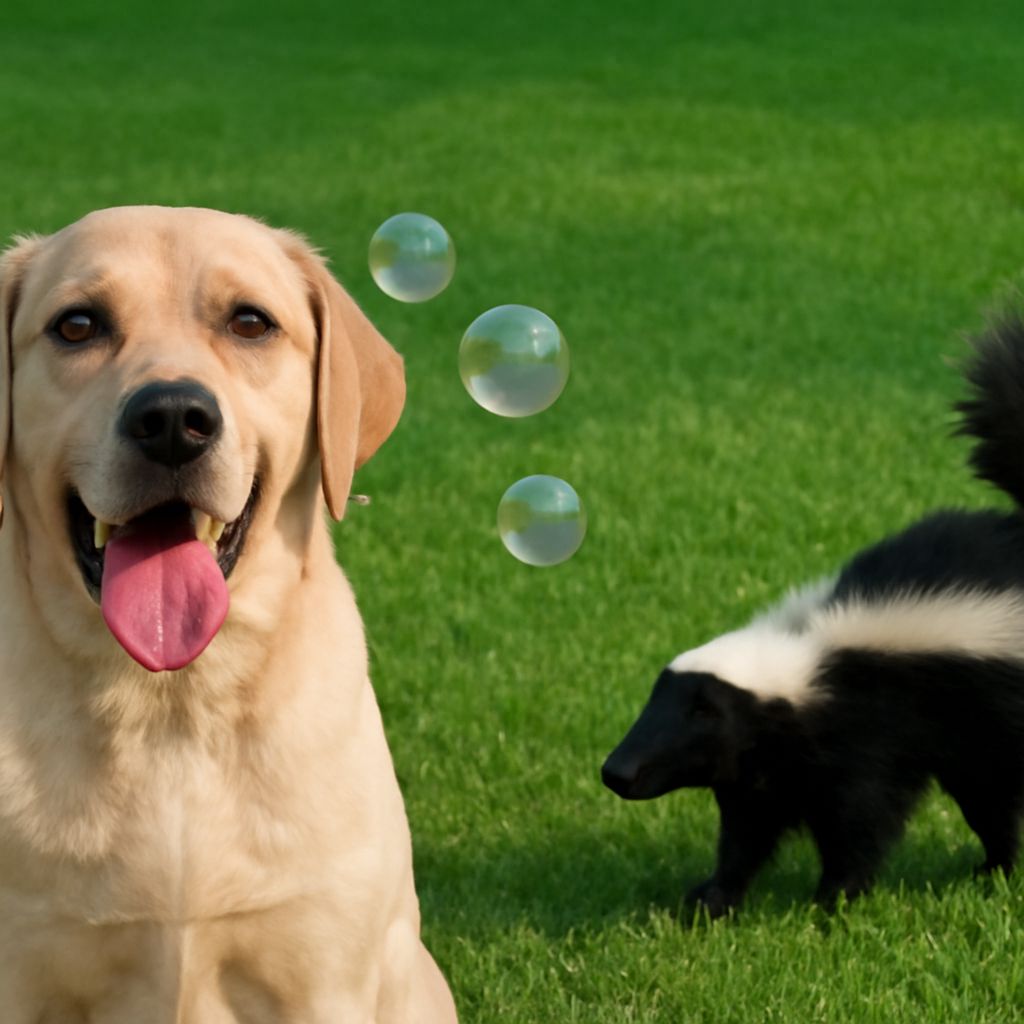
Many pet owners dread the moment when they realize their beloved dog smells like skunk. The pungent odor is unmistakable and can linger for days, leaving both the pet and the household in distress. While many believe that simply bathing the dog multiple times will eliminate the smell, the truth is more complex. Skunk spray is an oily secretion that binds to fur, making it resistant to water alone. Fortunately, there are dog skunk recipe remedies that can effectively address this issue.
Before you consider rushing to the store for commercial solutions, you might want to try effective dog skunk wash tips that are both cost-effective and easily available at home. These methods not only neutralize the odor but also ensure your pet remains safe and comfortable. When your dog is sprayed by a skunk, understanding the right steps to take is crucial in managing the situation efficiently.
Why Does My Dog Smell Like Skunk?
The reason your dog smells like skunk is due to the sulfuric compounds in skunk spray. When a skunk feels threatened, it releases this potent liquid as a defense mechanism. Dogs, being naturally curious and often unaware of the consequences, may approach skunks despite the risk. The skunk’s spray is designed to deter potential threats and is incredibly effective, given its strong and lingering odor.
Skunk spray is made up of thiol compounds, which are responsible for its recognizable smell. These compounds cling to your dog’s fur, making it challenging to remove without the proper treatment. Understanding this mechanism allows pet owners to tackle the problem more effectively and prevent future encounters by keeping dogs on a leash or avoiding skunk-prone areas.
Effective Home Remedies for Dog Sprayed by Skunk
When your dog is sprayed by a skunk, several home remedies can help neutralize the odor. A popular and effective method involves mixing hydrogen peroxide, baking soda, and dish soap. This combination creates a chemical reaction that breaks down the thiols in the skunk’s spray.
- Mix one quart of 3% hydrogen peroxide with a quarter cup of baking soda and one teaspoon of dish soap.
- Apply the mixture immediately, as its effectiveness diminishes over time.
- Work the solution into the fur, avoiding the eyes, ears, and mouth.
- Rinse thoroughly after five minutes and repeat if necessary.
Tomato juice and vinegar are commonly believed to be effective; however, they tend to merely mask the smell rather than neutralizing it. For best results, stick to the proven skunk dog wash recipe. If the problem persists, consulting a professional groomer might be necessary for complex situations or severe odors.
How to Use a Skunk Dog Wash Recipe Effectively
To use a skunk dog wash recipe effectively, timing and application are key. Begin by assessing the areas most affected by the spray. It’s crucial to act quickly, as the longer the spray remains on the fur, the more challenging it becomes to remove.
Apply the hydrogen peroxide, baking soda, and soap mixture generously, ensuring you cover all affected areas. Massage the solution into the fur thoroughly but gently, taking care not to irritate your pet’s skin. Rinse the fur with plenty of water to ensure all residues are removed. In some cases, more than one application might be necessary, especially if the exposure was significant.
After treating your dog, launder any clothing or materials that came into contact with the skunk spray. The same solution can be used in small amounts to treat affected fabrics. In cases where the skunk smell persists, or if your dog shows signs of discomfort, it is advisable to seek advice from a licensed professional groomer who can provide further assistance and specialized care.