Dog chattering teeth can often be misinterpreted as a simple quirk or amusing behavior without any real cause for concern. However, understanding why your dog chatters his teeth is crucial for ensuring his health and well-being. Dog jaw chattering can sometimes indicate underlying issues that require attention.
It’s essential to recognize that dog clicking teeth isn’t always a result of cold weather or excitement. This behavior can be a sign of dental problems, seizures, or even emotional stress. By gaining insight into the potential causes, pet owners can take the appropriate steps to manage and address this peculiar behavior before it evolves into a more serious health concern.
What is Dog Teeth Chattering?
Dog teeth chattering is a repetitive movement of the jaw that produces a clicking sound. This action is typically involuntary and can occur in various situations. Although it might seem trivial, it is crucial to monitor this behavior for any increase in frequency or intensity, as it could indicate something deeper than a simple gesture.
Why Does My Dog Chatter His Teeth?
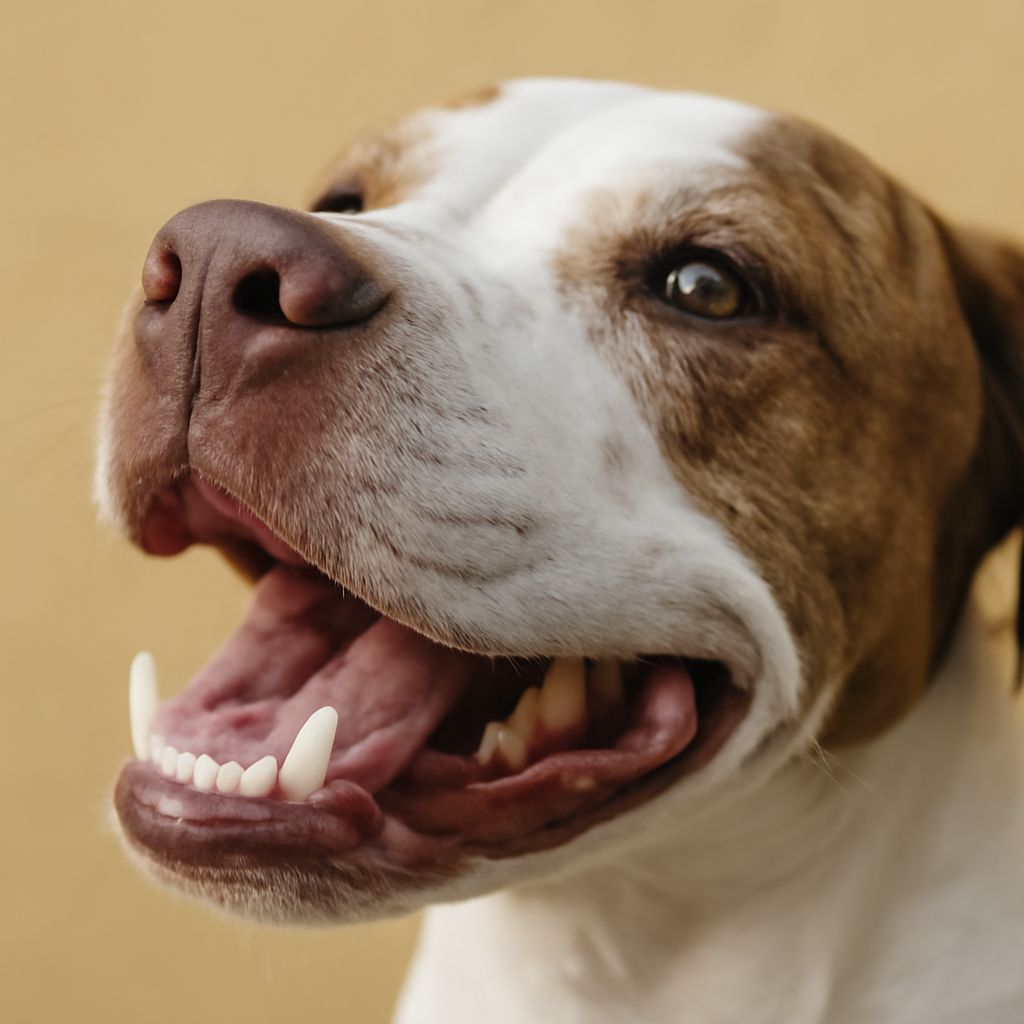
There are several reasons why your dog might chatter his teeth. One common explanation is that dogs sometimes chatter their teeth when they are excited or stimulated, which is similar to humans chattering their teeth in anticipation or anxiousness. Another reason could be related to dental health; discomfort from dental issues might prompt dogs to chatter their teeth in an attempt to alleviate pain.
Additionally, emotional factors like anxiety or stress can result in dog jaw chattering. Changes in environment or routine can cause discomfort, leading to teeth chatter as a coping mechanism. It is important to observe the context in which this behavior occurs to better understand its roots.
Common Causes of Dog Jaw Chattering
One of the most prevalent causes of dog jaw chattering is dental health problems. Issues such as tooth decay, gum disease, or oral infections can cause discomfort, prompting dogs to chatter in reaction to the pain. Another cause worth considering is neurological conditions, which can result in involuntary muscle movements, including teeth chattering.
Moreover, dog jaw chattering can be a response to environmental stimuli. An unfamiliar or stressful situation may trigger this behavior as the dog attempts to cope with the anxiety it is experiencing. It’s also essential to consider physiological factors like cold temperatures, which can lead to involuntary teeth chattering as a means of warming up.
When to Worry About Dog Clicking Teeth
While occasional dog clicking teeth can be harmless, persistent or intense chattering should prompt concern. If the behavior is accompanied by signs of distress, pain, or other abnormal symptoms, it is advisable to consult a veterinarian to rule out serious health issues. Also, if chattering occurs alongside other symptoms like drooling, limping, or changes in eating habits, professional advice should be sought immediately.
How to Address Dog Teeth Chattering
Addressing dog teeth chattering begins with identifying the underlying cause. For dental-related issues, a visit to the vet is essential to assess the dog’s oral health and provide appropriate treatment. In cases where stress or anxiety is the culprit, environmental adjustments and behavioral interventions may be necessary to soothe the dog.
It’s important to ensure that your dog is in a comfortable, warm environment, especially during colder seasons, to prevent any temperature-related chattering. For persistent or severe cases, professional guidance from a licensed stylist or veterinarian should be sought to explore advanced solutions such as medication or therapy.