Many pet owners find themselves puzzled by the unfamiliar ingredients listed on dog food labels. A common example is tocopherols, which are often misunderstood yet play a crucial role in the preservation of dog food. Similarly, the sight of worms in dog vomit can be alarming, leading to concerns about the health of our furry friends. Understanding these elements is key to ensuring your pet’s well-being.
Additionally, ingredients like carrageenan and the presence of worms highlight the importance of knowing exactly what goes into your dog’s food and the potential health risks. From learning how to treat your yard for dog worms to managing unwanted materials, knowledge is a pet owner’s best tool.
What Are Tocopherols in Dog Food?
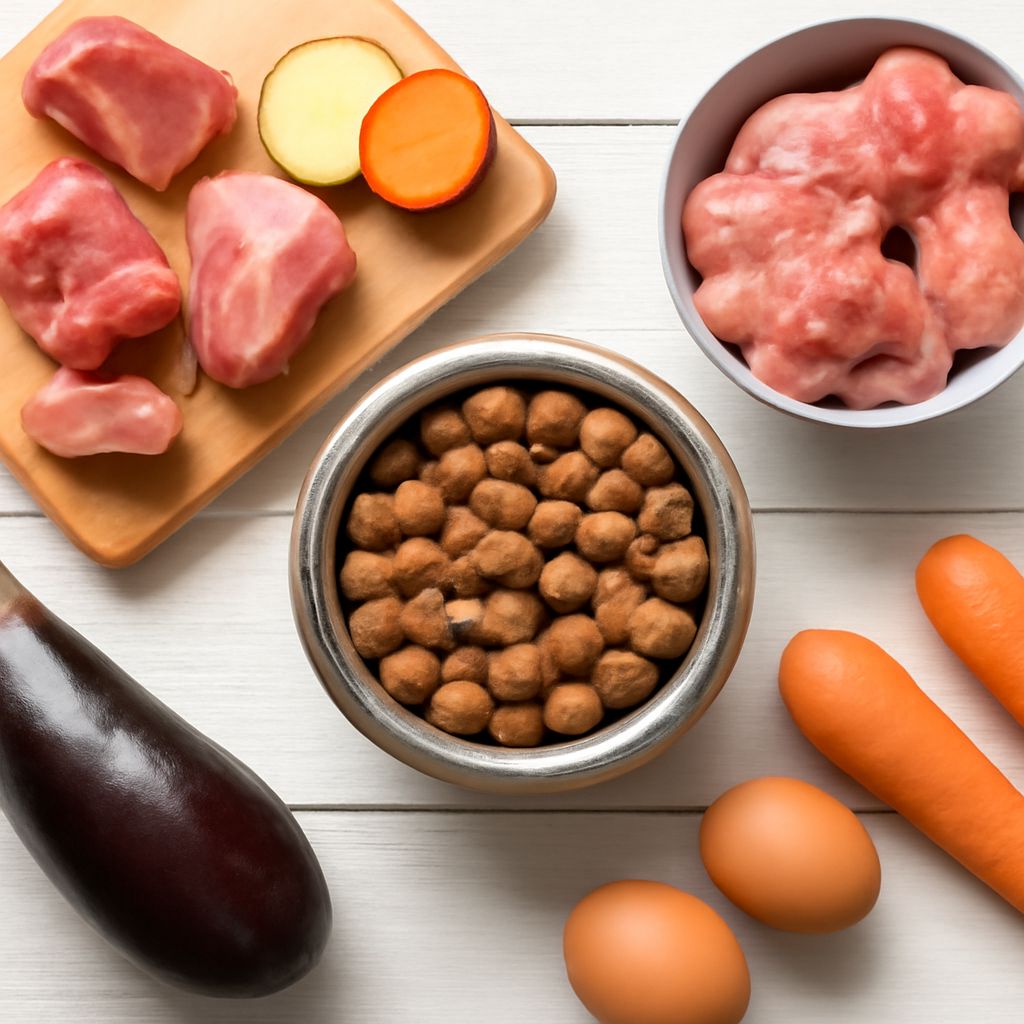
Tocopherols are a type of vitamin E commonly used as preservatives in dog food. They help prevent the oxidation of fats, keeping the food fresh for longer periods. Natural forms of tocopherols can be derived from vegetable oils and nuts, providing essential nutrients for dogs.
While tocopherols are typically safe, it’s important to ensure that your dog’s diet is balanced and does not rely solely on these preservatives. Consult a veterinarian if you have concerns about specific dietary needs or allergies your dog may have.
Can Worms in Dog Vomit Affect Your Dog’s Health?
Finding worms in your dog’s vomit can be a troubling experience. It often indicates an internal infestation that requires immediate attention. Worms such as roundworms and hookworms can cause significant health issues if left untreated, leading to symptoms like weight loss and diarrhea.
Consulting a veterinarian is crucial when worms are present in your dog’s vomit. They can prescribe appropriate treatments and recommend preventive measures to safeguard your pet’s health.
The Role of Carrageenan in Dog Food
Carrageenan is a common additive in both human and pet foods, used primarily for thickening and stabilizing. It’s derived from red seaweed and is generally recognized as safe by regulatory bodies. However, some studies have raised concerns about its potential to cause digestive issues in sensitive dogs.
If your dog exhibits symptoms like vomiting or diarrhea after consuming food containing carrageenan, consider speaking with a veterinarian to explore alternative dietary options that may be more suitable.
Managing Dog Poop in Your Yard
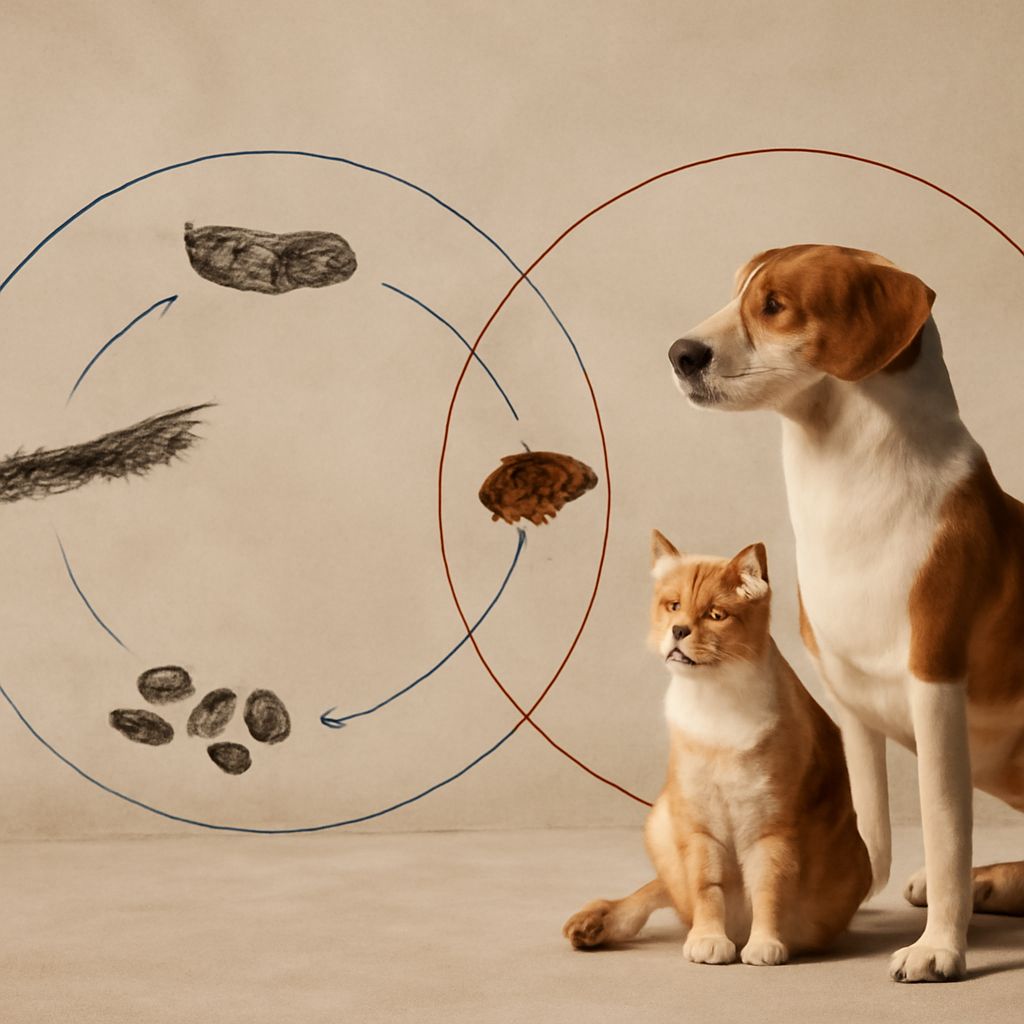
Successfully managing dog poop in your yard is essential to maintain both hygiene and prevent the spread of parasites. Regular cleanup and disposal are the most effective measures. Using biodegradable bags can make the process environmentally friendly.
Implementing a routine cleaning schedule helps minimize odors and reduces the risk of worm infestations, creating a safer environment for both your pet and family.
How to Treat Your Yard for Dog Worms
Treating your yard for dog worms involves a combination of prevention and direct intervention. Regularly mowing the lawn and removing feces can significantly decrease worm eggs’ presence in the soil.
In cases of known infestations, consider using pet-safe treatments to eradicate worms from the yard. Consult with a pest control specialist or your veterinarian to select products that are effective yet safe for your pets.
Bottom line: Understanding ingredients like tocopherols and carrageenan, alongside effective yard management, is vital for maintaining your dog’s health. When in doubt, seek advice from veterinary professionals to ensure your pet’s well-being.