The world of dog guardianship often brims with misconceptions, one of them being the belief that all German Shepherds naturally excel as service dogs. While this breed undoubtedly possesses qualities that make it a standout choice for service roles, not every German Shepherd is suited for this demanding task. When considering German Shepherd therapy dogs, their temperament and training play crucial roles in their success.
Similarly, enthusiasts of walking dog toys often misunderstand their purpose, viewing them solely as entertainment rather than tools that enhance physical and mental stimulation during walks. Before delving into these topics, it’s essential to learn how to get a urine sample from a dog properly or explore options for dog coffins at the end of a beloved pet’s journey.
Understanding the German Shepherd Service Dog
Traits and Characteristics
German Shepherds are renowned for their intelligence, loyalty, and versatility. These traits make them ideal candidates for service dog roles. They possess a strong work ethic and a desire to please, which are crucial for training in specialized tasks. Their protective nature and keen sense of perception further enhance their ability to serve humans effectively.
Training Techniques for Service Roles
Training a German Shepherd for service requires patience and consistency. Techniques focus on reinforcing positive behaviors and gradually introducing complex tasks. Obedience training lays the foundation, followed by task-specific exercises. Engaging in training sessions regularly ensures that the dog remains sharp and reliable in its service duties.
Enhancing Walks with a Walking Dog Toy
Benefits of Walking Dog Toys
Walking dog toys are not just amusing gadgets; they serve to enrich a dog’s walking experience. These toys stimulate both the mind and body, providing a sense of purpose and engagement. Interactive toys can help reduce anxiety and encourage natural behaviors, making walks more fulfilling for the dog.
Choosing the Right Toy for Your Dog
Selecting the appropriate toy involves considering your dog’s size, breed, and preferences. A toy that is too small may pose a choking hazard, while one that is too large may not be engaging. It’s beneficial to offer a variety of toys to keep walks interesting and cater to your dog’s evolving interests.
Collecting a Urine Sample from Your Dog
Step-by-Step Guide
Obtaining a urine sample from your dog can be straightforward with preparation. Equip yourself with a clean collection container and wait patiently for your dog to signal the need to relieve itself. Gently slide the container under your dog midstream to collect the sample. Label and store the sample as directed by your veterinarian.
Common Challenges and Solutions
Some dogs may be hesitant or nervous about the collection process. Using treats and praise can help relax them. If difficulties persist, consult your veterinarian for advice on alternatives or special techniques tailored to your dog.
Exploring Dog Coffins and Memorial Options
Types of Dog Coffins
Dog coffins come in various materials and designs, from biodegradable to more ornate wooden models. The choice depends on personal preferences and the desired level of personalization. Each coffin type serves as a dignified tribute to a beloved pet.
Choosing the Right Coffin for Your Pet
When selecting a coffin, consider your budget, the size of your pet, and the intended burial location. Ensuring the coffin fits within any plot constraints is essential. Many find comfort in customizing the coffin with engravings or accessories that reflect their pet’s personality.
The Role of German Shepherd Therapy Dogs
Training for Therapy
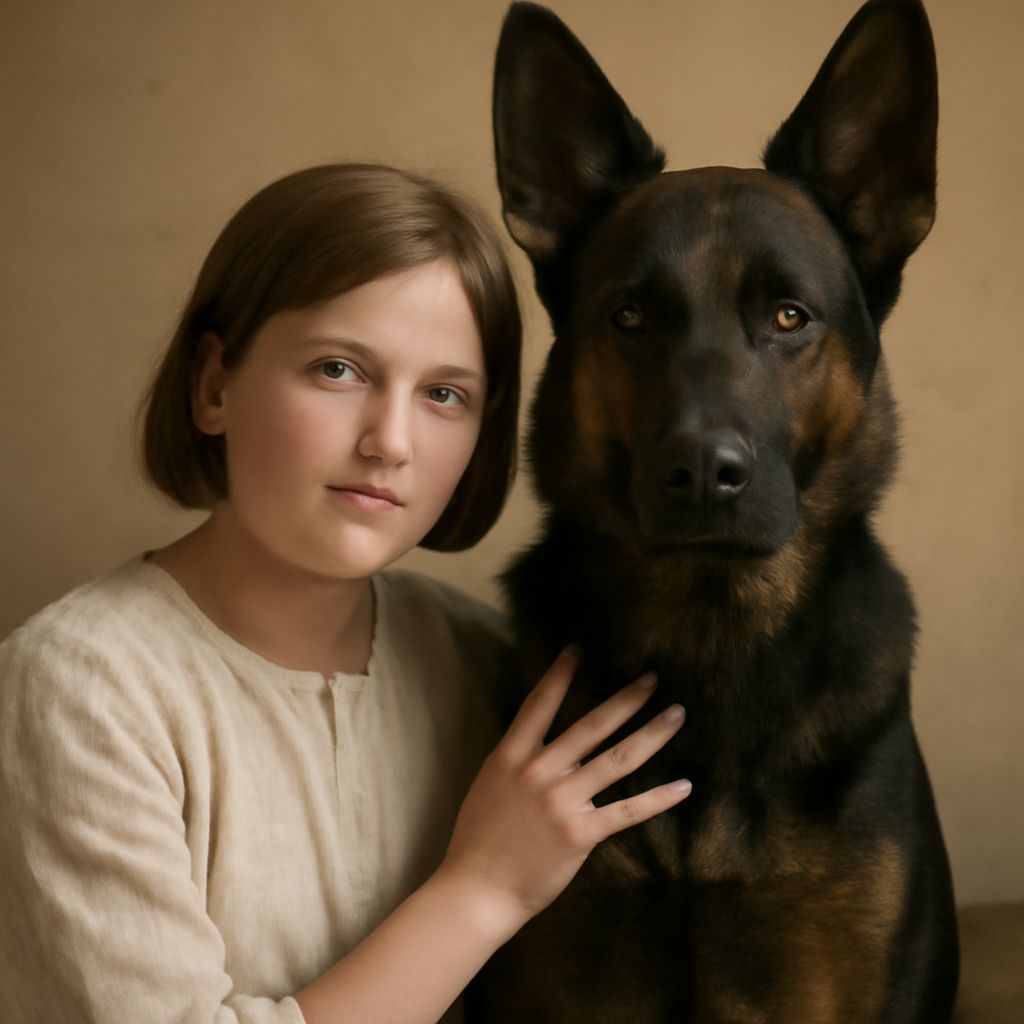
German Shepherds trained for therapy roles undergo specialized socialization and behavioral training. They learn to remain calm and composed in various environments, providing comfort and support to those in need. Therapy dogs interact with individuals in hospitals, schools, and care facilities.
Benefits of Therapy Dogs
The presence of therapy dogs can reduce stress and anxiety, promote healing, and improve mood. Their ability to connect emotionally with humans makes them invaluable companions in therapeutic settings. The natural empathy of German Shepherds enhances these interactions.
Bottom line: German Shepherds excel in service and therapy roles when properly trained. Understanding the nuances of pet care, from selecting walking dog toys to collecting urine samples, enriches the bond between owner and pet. Thoughtful consideration of pet memorials honors their memory.