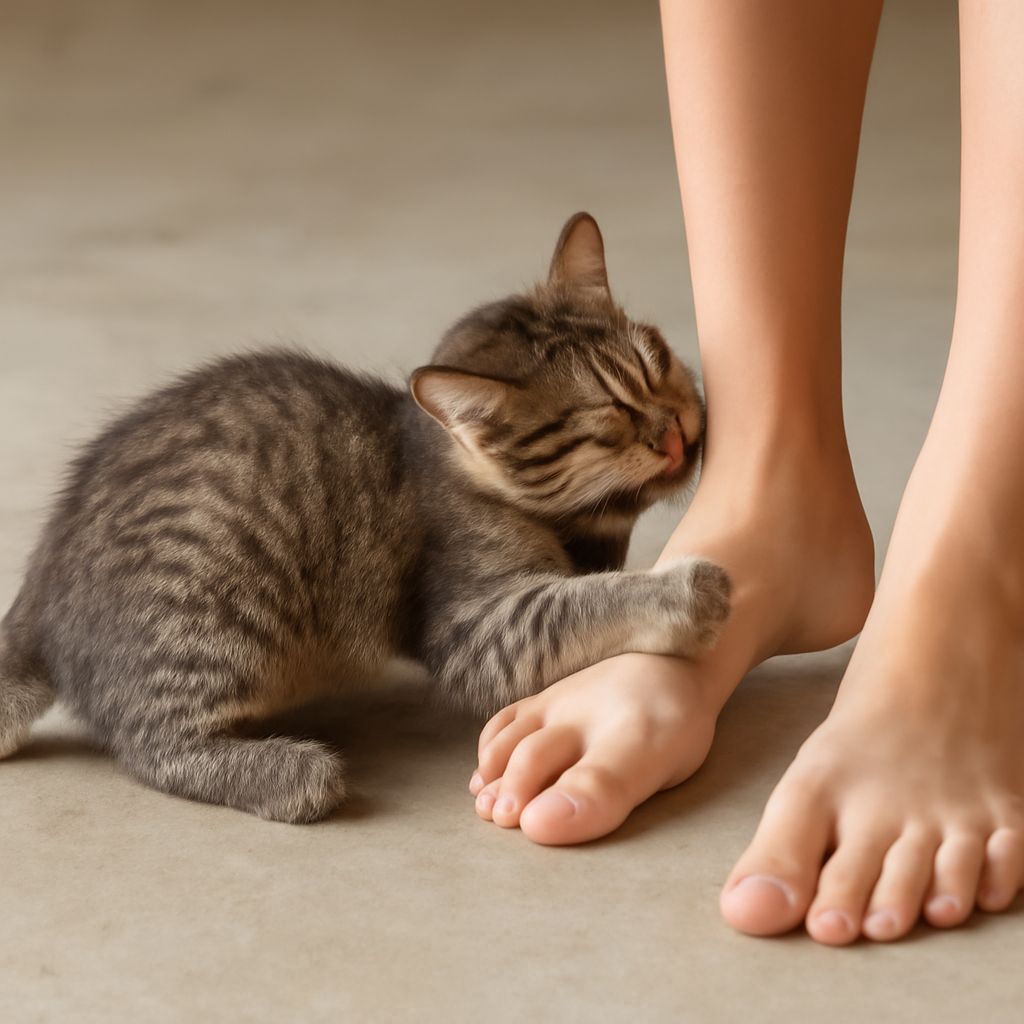
Many cat owners find themselves puzzled by the seemingly contradictory behavior of their feline companions. The experience of petting a cat only to be met with a sudden bite can be confusing and frustrating. It’s easy to jump to conclusions and label the cat as aggressive or unfriendly, but the reality is often more nuanced. Understanding why cats bite when you pet them involves exploring their unique behavioral patterns.
Contrary to popular belief, not all cat bites are signs of aggression or discomfort. Sometimes, a kitten bite can be a playful gesture, while other times, the phrase “you dirty dog” might seem applicable in describing a mischievous pet. This article will delve into the reasons behind these behaviors and offer insights into managing and preventing them.
Understanding Cat Behavior: Why Does My Cat Bite Me When I Pet Her?
Common Reasons Cats Bite During Petting
Cats often bite during petting due to overstimulation. What starts as enjoyable interaction can quickly become overwhelming, causing the cat to bite to signal the need for a break. This is especially true if the petting continues beyond the cat’s comfort level.
The Role of Overstimulation in Cat Biting
Overstimulation occurs when a cat’s senses become overloaded during an interaction. The gentle strokes intended to soothe can suddenly become too much, resulting in a bite. This response does not indicate hostility but rather a natural reaction to excessive sensory input.
How to Recognize Signs of Discomfort
Recognizing signs of discomfort can prevent biting incidents. Pay attention to your cat’s body language; tail flicking, growling, or a change in posture can signal it’s time to stop petting. Observing these cues can help reduce the risk of a bite.
Why Do Cats Bite When You Pet Them: Unpacking the Mystery
Exploring Aggression vs. Playfulness
Understanding whether a cat’s bite is playful or aggressive involves observing the context and body language. Playful bites are often accompanied by purring and gentle nips, whereas aggressive bites may involve hissing and defensive postures.
The Influence of Past Experiences
A cat’s past experiences can influence its reaction to petting. Cats who have experienced trauma or inconsistent treatment may develop aggressive biting responses. Patience and sensitive handling can help in these situations.
Why Do Kittens Bite When You Pet Them?
Understanding Kitten Play Behavior
Kittens bite during play as part of their natural development. This behavior helps them learn about their environment and develop hunting skills. Biting is an integral part of playful interactions and should be gently managed rather than discouraged outright.
Training Tips to Reduce Biting
Teaching kittens appropriate behavior involves redirecting their biting to toys and rewarding gentle play. Consistent training helps them understand boundaries, minimizing biting during petting sessions.
How to Respond When Your Cat Bites
Tips for Preventing Future Bites
Preventing future biting involves understanding your cat’s triggers and respecting their boundaries. Create a nurturing environment, and avoid prolonged petting sessions that could lead to overstimulation.
Building a Trusting Relationship with Your Cat
Building trust with your cat requires patience and understanding. Providing consistent positive interactions and respecting their comfort zones encourages a strong bond, reducing instances of biting in the future.
Bottom line: Cats bite for various reasons, primarily stemming from overstimulation, playful behavior, or past experiences. Recognizing the signs and adjusting interactions can foster a trusting relationship with your feline friend. If biting persists or if there is severe behavior change, consulting a licensed pet behaviorist may be beneficial.