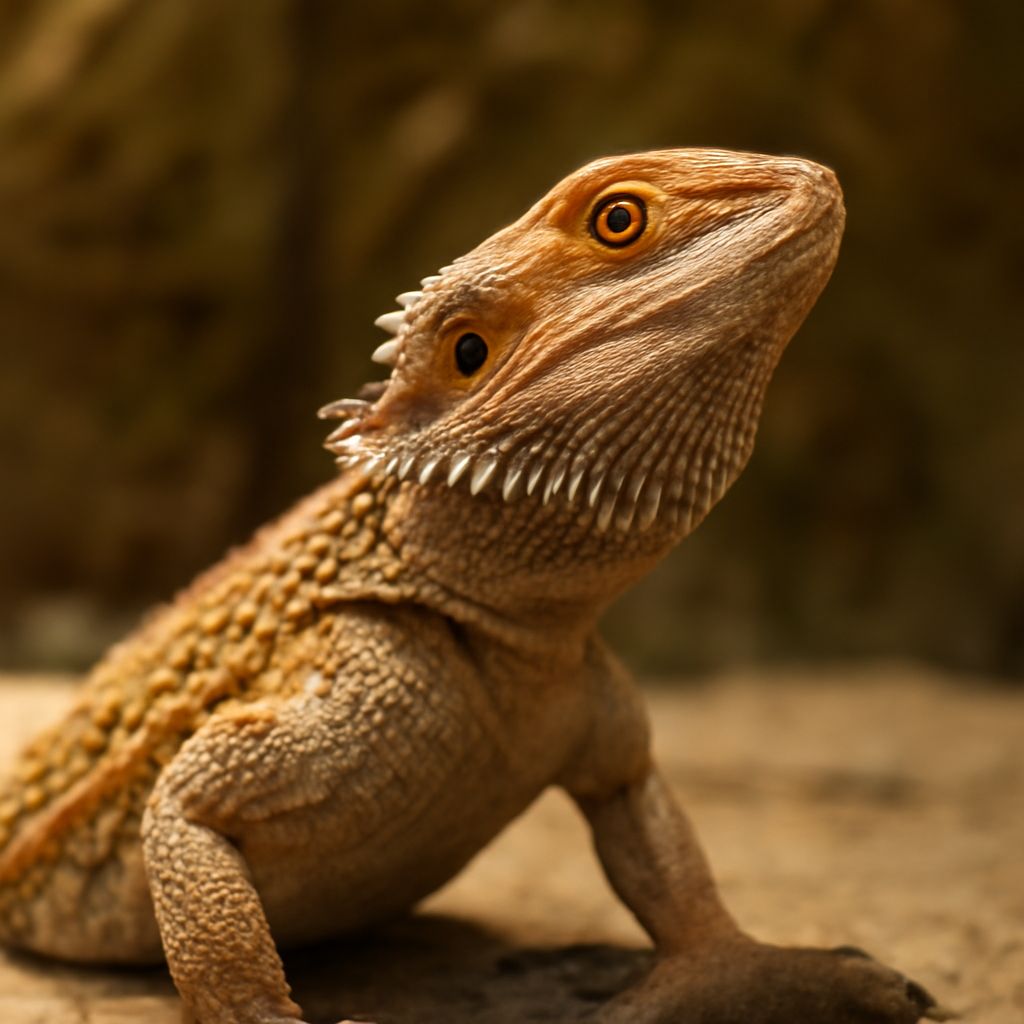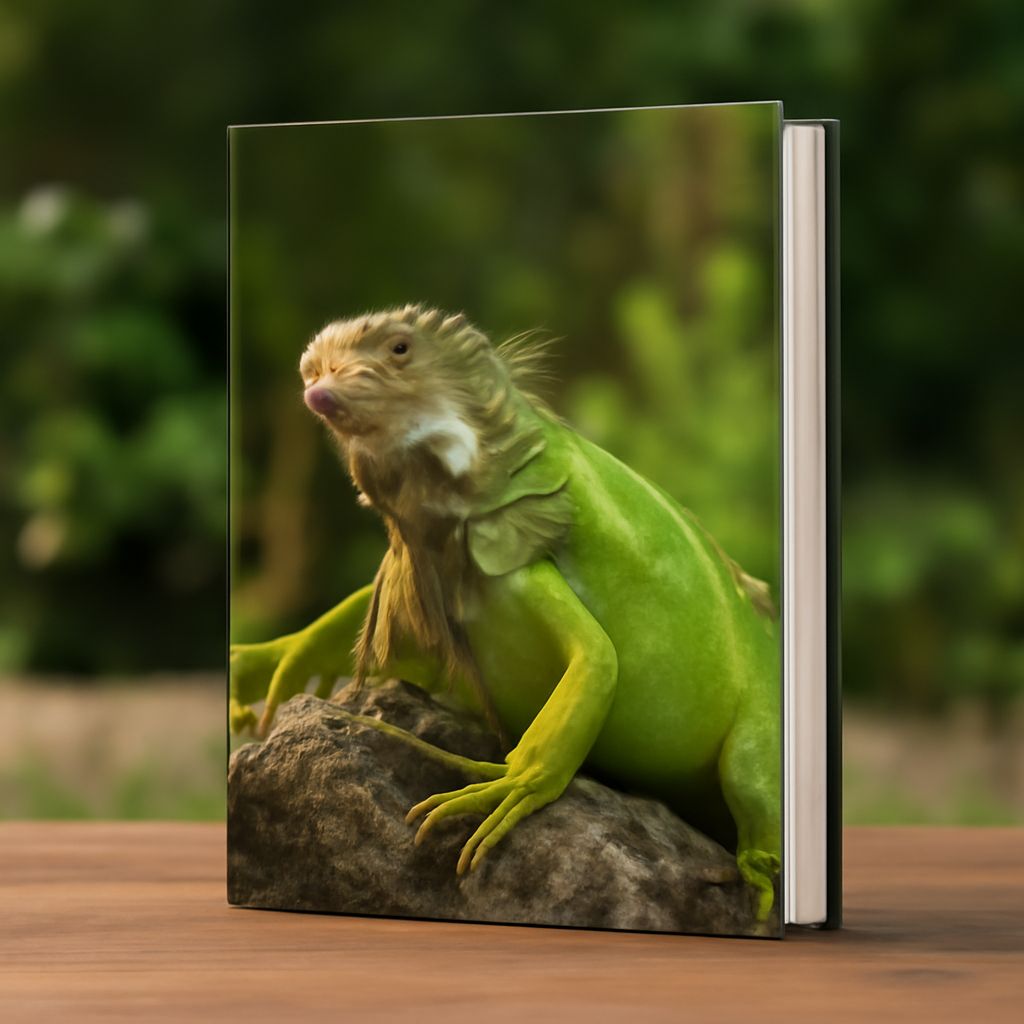
Iguanas, often seen as exotic additions to a household, are frequently misunderstood creatures. Many assume that iguanas are low-maintenance due to their hardy appearance. However, these reptiles require specific care and attention to thrive as pets. In this guide, we aim to dispel myths surrounding these fascinating reptiles, providing a detailed understanding of what it means to have an iguana as a pet.
When considering iguanas as pets, one must be prepared for a commitment that goes beyond casual pet ownership. An iguana pet requires a well-planned habitat, a carefully curated diet, and regular interaction to ensure its health and well-being. This article will highlight the key aspects of iguana care, addressing common concerns and offering practical advice for potential pet owners.
Why Consider Iguanas as Pets?
The Appeal of Having an Iguana Pet
Iguanas are captivating reptiles with a unique charm that draws many pet enthusiasts. Their striking appearance and relatively large size compared to other reptiles make them stand out. Iguanas have a calm demeanor when socialized properly, and observing their behavior can be a rewarding experience. For those who appreciate the beauty of reptiles, an iguana pet can be a source of fascination and education.
Challenges of Keeping Iguanas as Pets
Despite their appeal, keeping iguanas as pets presents several challenges. These reptiles require ample space, and their needs for heat, humidity, and specific lighting conditions demand a well-equipped environment. Additionally, iguanas can be prone to health issues if not cared for correctly. Potential owners must be prepared to make a long-term commitment to their pet’s welfare, including regular veterinary care and proper habitat maintenance.
How to Care for Your Iguana as a Pet
Creating the Ideal Habitat
An iguana’s habitat is crucial to its health and happiness. Owners must ensure that the enclosure is large enough for the iguana to move freely and explore. Providing climbing structures, basking areas, and proper lighting is essential. A heat source is necessary to maintain a temperature gradient, ensuring the iguana can regulate its body temperature effectively. Humidity levels should also be monitored to mimic the iguana’s natural environment.
Feeding and Nutrition for Your Iguana Pet Proper nutrition is vital for the well-being of your iguana pet. Iguanas are primarily herbivorous, requiring a diet rich in leafy greens, vegetables, and occasional fruits. Calcium and vitamin supplements are often necessary to prevent nutritional deficiencies. It is important to avoid foods high in oxalates and goitrogens, which can impede nutrient absorption. A licensed reptile veterinarian can provide guidance on creating a balanced diet plan tailored to your iguana’s needs.
Do Iguanas Make Good Pets?
Assessing the Pros and Cons of Iguanas as Pets
Deciding whether iguanas make good pets involves weighing the positives against the challenges. On the positive side, iguanas can be fascinating and rewarding companions. However, they require significant investment in terms of time, money, and education. Potential owners should consider their ability to meet the iguana’s specific needs before making a decision. Consulting with experienced reptile owners and veterinarians can provide valuable insights and help determine if an iguana is the right pet for your lifestyle.