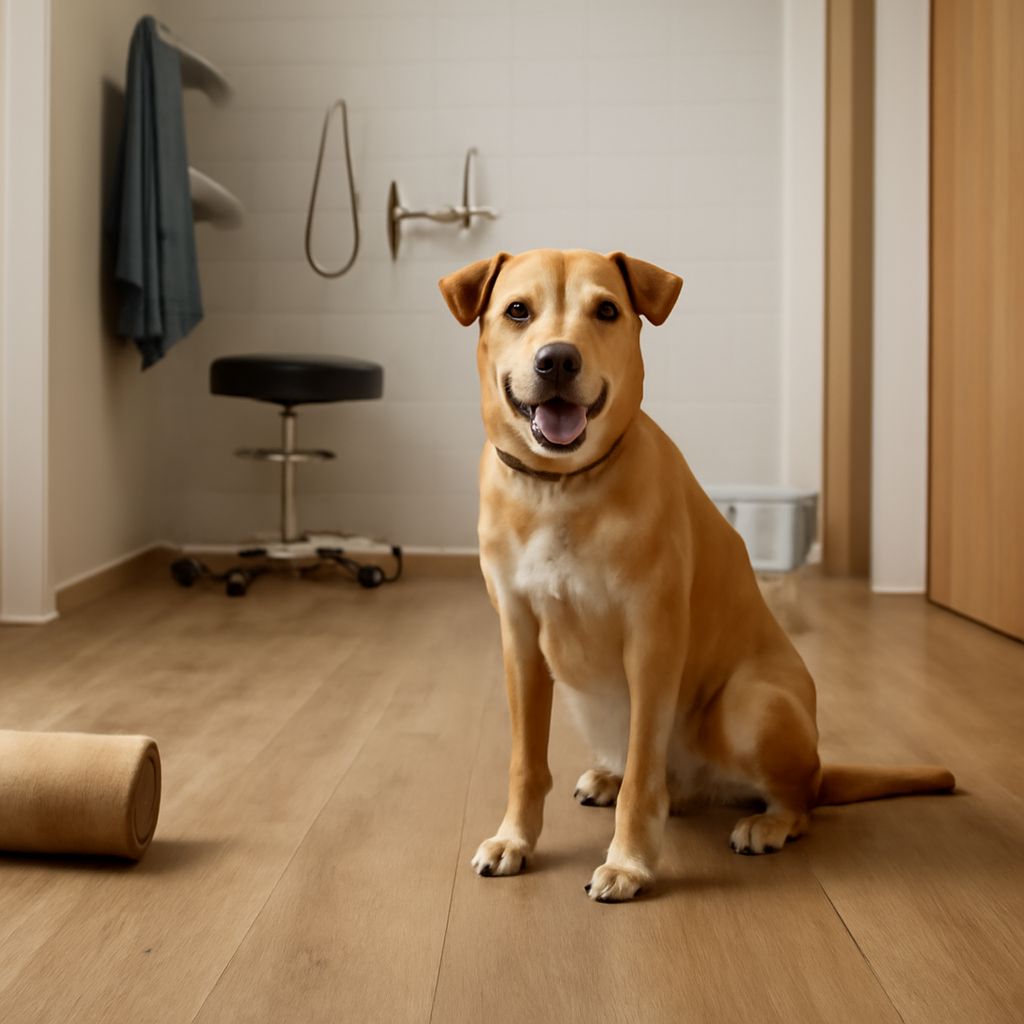
The best flooring for pets is a category that demands honest prioritization of durability, cleanability, and traction — qualities that are frequently sacrificed in favor of aesthetics in homes without animals. Pet flooring must withstand claw abrasion, moisture exposure from water bowls and accidents, and the mechanical stress of a large dog launching across a hard surface. Flooring for pets also needs to provide adequate grip to prevent slipping — hardwood and polished tile surfaces cause joint stress and injury in dogs that must navigate them daily. A novelty search term worth acknowledging: trump dog toy is searched by consumers looking for politically-themed novelty toys, which represent a subcategory of pet novelty products with broad appeal and rapid turnover. The best flooring for pet urine is a question with a specific answer: materials with sealed surfaces and no absorptive underlayers prevent urine from penetrating below the surface where odor and bacteria persist.
Top Flooring Options for Pet Households
Luxury Vinyl Plank (LVP) Luxury vinyl plank is consistently ranked as the best overall pet flooring option by interior designers and pet owners alike. The wear layer on commercial-grade LVP resists claw scoring better than laminate, and the waterproof core prevents urine from reaching the subfloor. LVP provides moderate traction when the surface has a textured finish — smooth-finish LVP can be as slippery as tile. Installation over concrete or existing subfloor is straightforward, and damaged planks can be replaced individually without full floor replacement. Cost ranges from $2 to $8 per square foot depending on wear layer thickness and brand.
Ceramic and Porcelain Tile Tile is impervious to urine penetration and among the most hygienic pet flooring surfaces available. The drawback is hardness — dogs that lie on tile for extended periods on cold concrete subfloors may develop pressure-related calluses and joint discomfort. Matte-finish tile provides better traction than polished tile; adding area rugs with non-slip backing in dog resting areas reduces joint stress. Grout lines require sealing annually to prevent urine odor absorption into the porous grout material.
Engineered Hardwood Engineered hardwood provides the aesthetic of wood flooring with greater moisture resistance than solid wood. However, it is not waterproof — urine left unaddressed for more than a few minutes can penetrate the top veneer. Pet owners who prefer wood aesthetics should choose high-aluminum-oxide finish coatings and apply a maintenance coat annually. Scratches from dog nails are minimized by keeping nails trimmed short and applying protective runners in high-traffic areas.
The Best Flooring for Pet Urine: What to Avoid
Solid hardwood absorbs urine rapidly and permanently; staining, swelling, and structural damage occur quickly with repeated accidents. Laminate flooring, despite some marketing as pet-friendly, typically has a fiberboard core that swells dramatically when exposed to moisture. Natural stone requires sealing and even then is susceptible to urine absorption through micro-cracks. Carpet is the worst performer for pet urine — padding absorbs and holds liquid well below the surface, creating a persistent odor source that even professional cleaning addresses only partially.
For most pet households, luxury vinyl plank or high-quality sealed tile provides the best combination of durability, hygiene, and practical cleanability across the full range of pet-related flooring challenges.