A dog enlarged liver — hepatomegaly — is a clinical finding rather than a standalone diagnosis, and the causes range from benign to serious. The dog color palette varies dramatically across breeds, from the rich mahogany of the Irish Setter to the blue merle patterns of Australian Shepherds and the striking brindle of Boxers. A dog adoption checklist ensures that new owners are prepared for the practical realities of pet ownership before the dog arrives, not after. Dog fear aggression is one of the most misunderstood behavioral presentations — it is driven by threat perception and anxiety, not dominance or malice, and requires a fundamentally different approach from confidence-based aggression. Interactive dog games provide structured mental stimulation that addresses boredom, supports cognitive development, and strengthens the owner-dog relationship without requiring expensive equipment.
Understanding Dog Hepatomegaly
Liver enlargement in dogs can result from infiltrative disease — lymphoma, mast cell disease, or other neoplasia — infection, hepatitis, steroid hepatopathy from long-term corticosteroid use, or right-sided heart failure causing hepatic congestion. Physical examination typically reveals the liver extending beyond the costal arch; confirmation requires abdominal radiographs or ultrasound. Bloodwork including a liver enzyme panel and bile acids test helps characterize the extent of hepatic dysfunction. Treatment depends entirely on the underlying cause — no single protocol addresses hepatomegaly across all etiologies. A veterinary internist or oncologist should be consulted for complex presentations.
Dog Color Palette: Understanding Coat Genetics
Canine coat color genetics involve two primary pigments — eumelanin (black) and phaeomelanin (red/yellow) — modified by a series of genes controlling distribution, intensity, and patterning. The dog color range includes solid colors, bicolor patterns, tricolor, merle, brindle, sable, and spotted patterns. Understanding the color palette of a breed helps owners recognize whether markings and patterns are within breed standard or indicate mixed ancestry. Some color patterns are linked to health concerns — double merle dogs carry a high risk of deafness and vision impairment due to lack of pigmentation in the inner ear and eye.
Dog Adoption Checklist: Before the Dog Arrives
A thorough dog adoption checklist covers supplies, home preparation, and veterinary planning. Essential items include a properly sized crate, food and water bowls, collar, ID tag, leash, appropriate food, and enzymatic cleaner for accidents. Home preparation includes securing trash, toxic plants, and accessible medications. Schedule a veterinary appointment within the first week of adoption for a health assessment and to establish a vaccination and parasite prevention plan. Research a local force-free or positive reinforcement-based training class before the dog arrives so enrollment is immediate upon settling in.
Dog Fear Aggression and Interactive Games
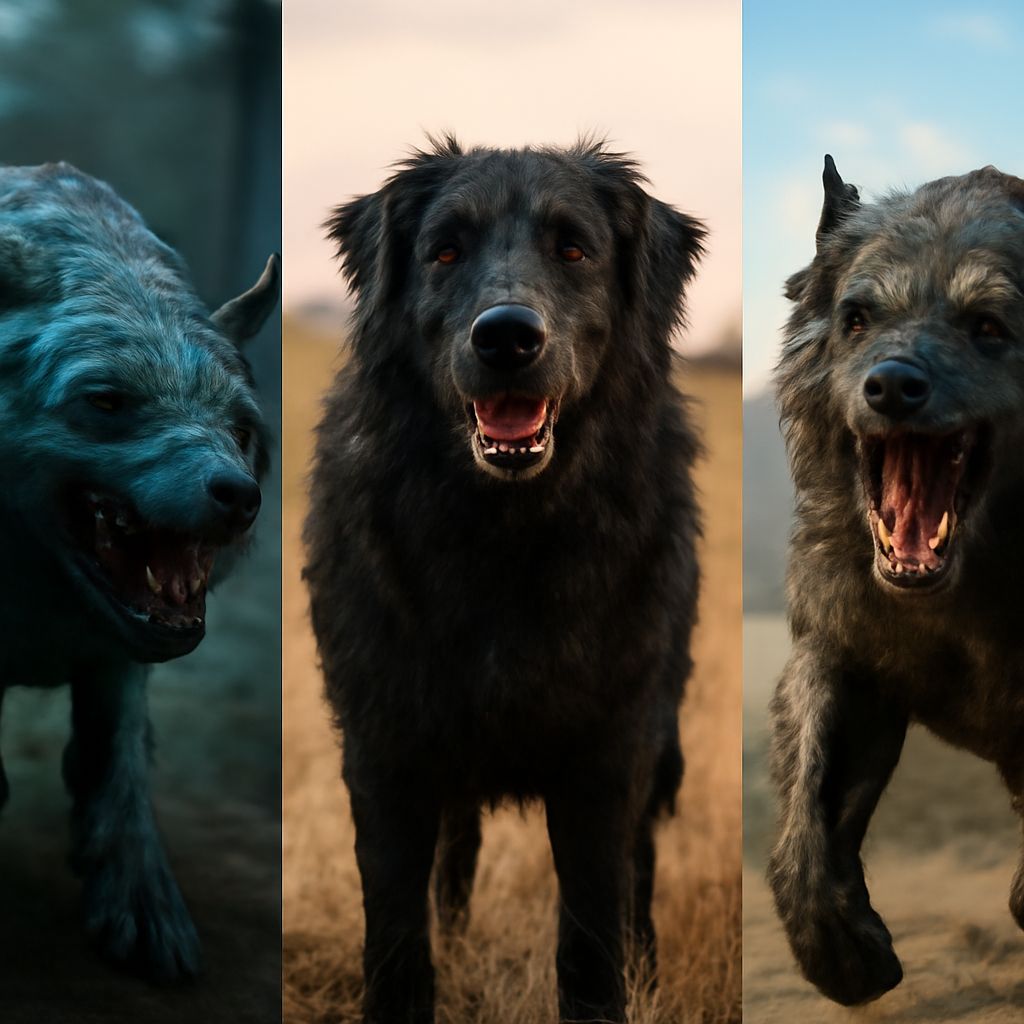
Fear aggression presents with warning signs that precede the bite — lip licking, whale eye, tucked tail, lowered body posture, and growling. Suppressing these warning signs through punishment creates a dog that bites without warning — a far more dangerous outcome. Behavior modification for fear aggression involves desensitization and counter-conditioning to the triggering stimuli, conducted with a certified applied animal behaviorist or veterinary behaviorist.
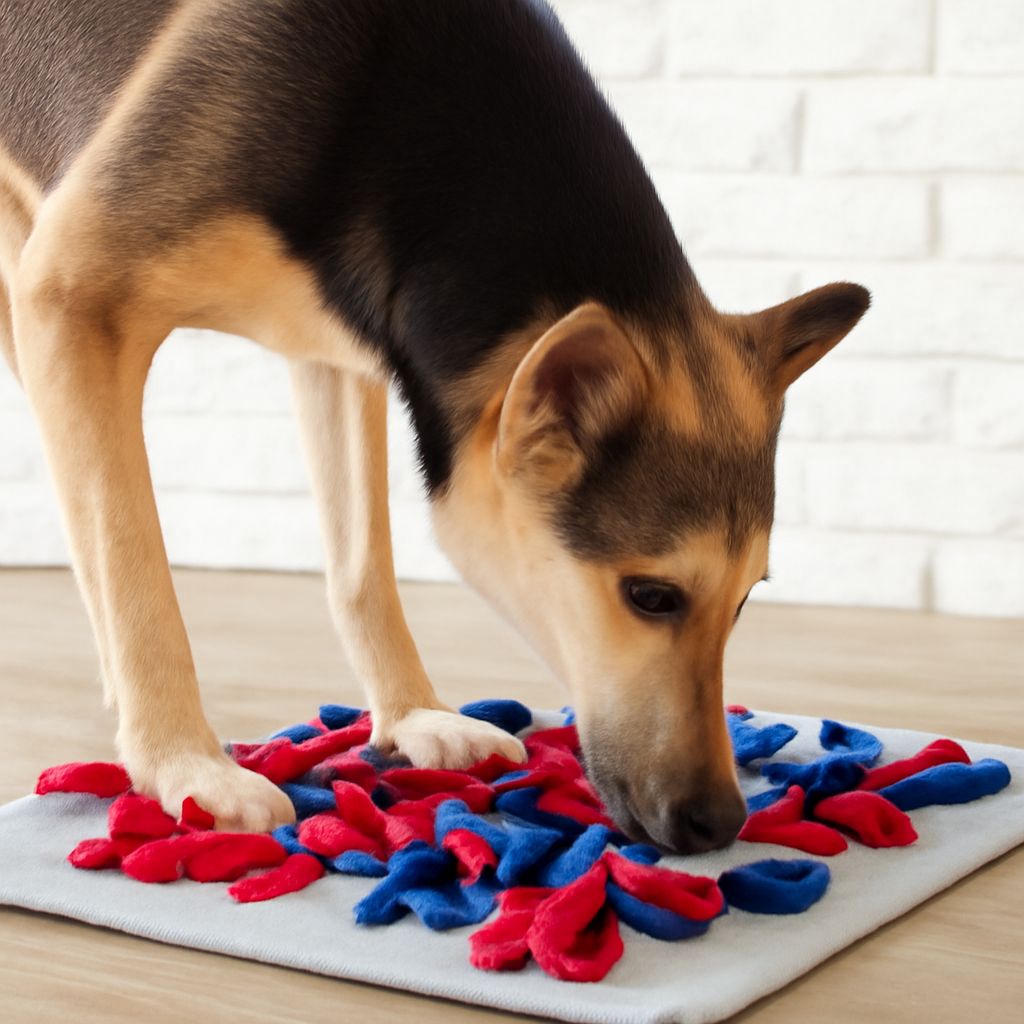
Interactive dog games — puzzle feeders, hide-and-seek nose work, shell games, and training-based play — provide constructive outlets for energy and cognition. Dogs engaged in regular mental stimulation show lower rates of anxiety-related behaviors and maintain better focus during obedience sessions.