Many dog owners assume that all tropical fruits are dangerous, but the answer to “can dog eat papaya” is yes — in moderation and without seeds or skin. Papaya contains digestive enzymes, vitamin C, and fiber that offer genuine nutritional benefits, making it one of the safer fruit options for dogs. A dog that won’t walk on leash is often experiencing discomfort, fear, or a fundamental gap in leash training — not stubbornness. A dog that won’t look at me during interactions is typically communicating submission, discomfort, or social appeasement, not defiance. When a dog won’t eat new food, it’s usually a combination of scent sensitivity and learned preference rather than a medical problem. Understanding why your dog cuddling behavior has changed — specifically when you notice the dog won’t cuddle anymore — helps distinguish behavioral shifts from pain or illness.
Papaya as a Dog-Safe Fruit
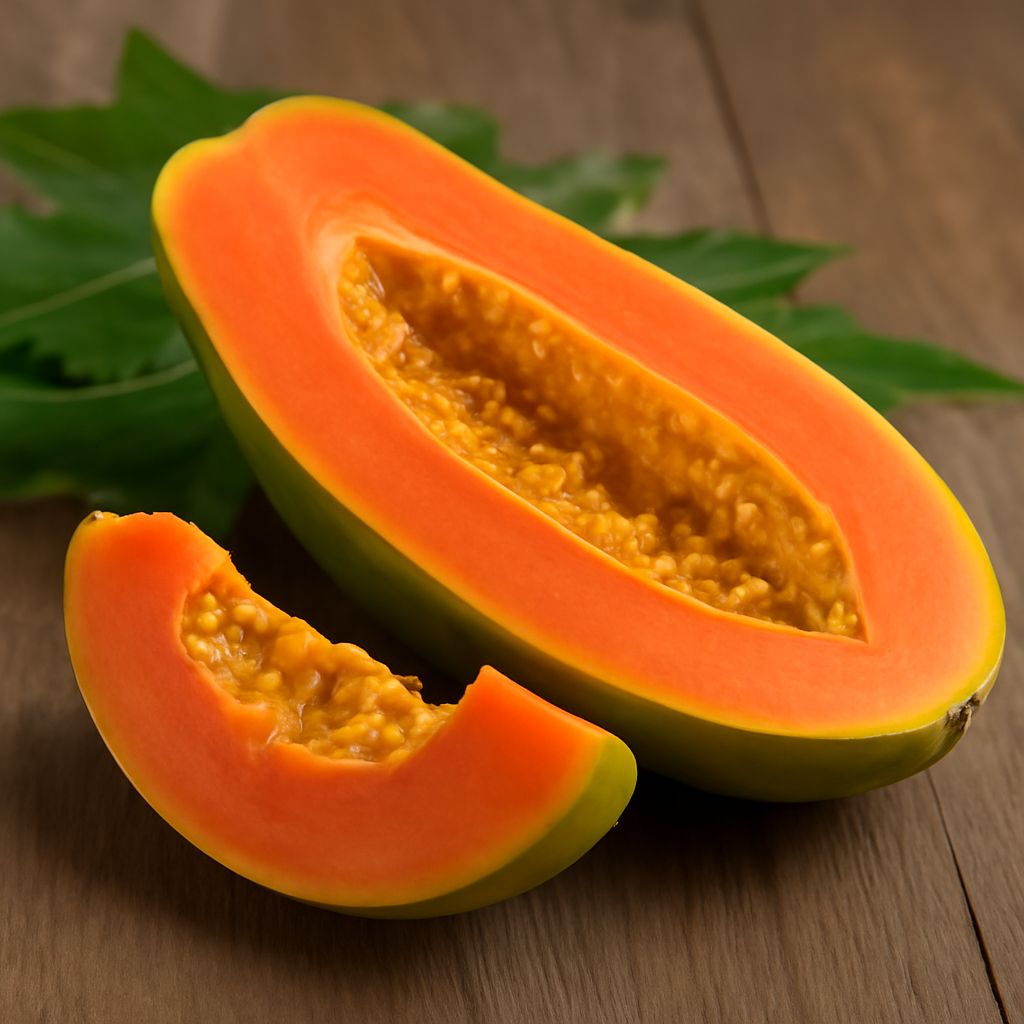
Fresh papaya flesh is safe for dogs when served without the skin, seeds, or core. The seeds contain trace amounts of cyanide and should be removed before serving. Serve papaya in small cubes as an occasional treat — no more than a few pieces per day to avoid digestive upset from the high fiber content. Dried papaya sold for human consumption often contains added sugar and preservatives that make it unsuitable for dogs. Fresh or freeze-dried options without additives are the appropriate choice.
Leash Reluctance: When a Dog Stops Walking
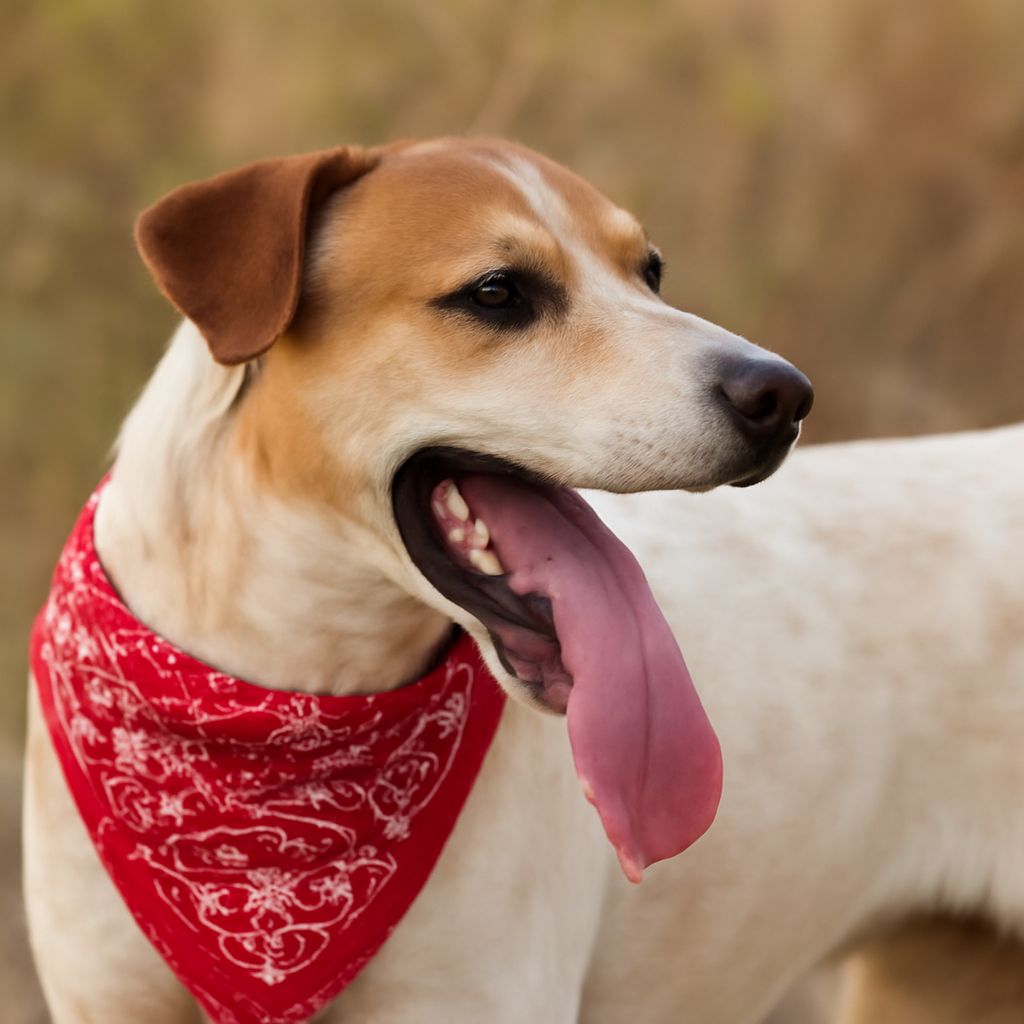
A dog refusing to walk on leash may be responding to pain in the joints, paws, or spine. Rule out physical causes first — especially in older dogs or those that stopped walking suddenly without prior training issues. Fear of specific environments, sounds, or surfaces is another common cause. Dogs that freeze or pull backward on walks may have had negative associations formed during early leash training. Positive reinforcement-based counter-conditioning, delivered consistently over several weeks, is the most effective approach for leash-resistant behavior.
Avoidance Behaviors: Eye Contact, New Food, and Reduced Cuddling
A dog avoiding eye contact is not being difficult. Direct gaze is a social challenge in canine communication, and a dog that looks away during interactions is displaying appropriate deference or anxiety reduction. This behavior is especially common in dogs from shelter backgrounds or those in new household situations.
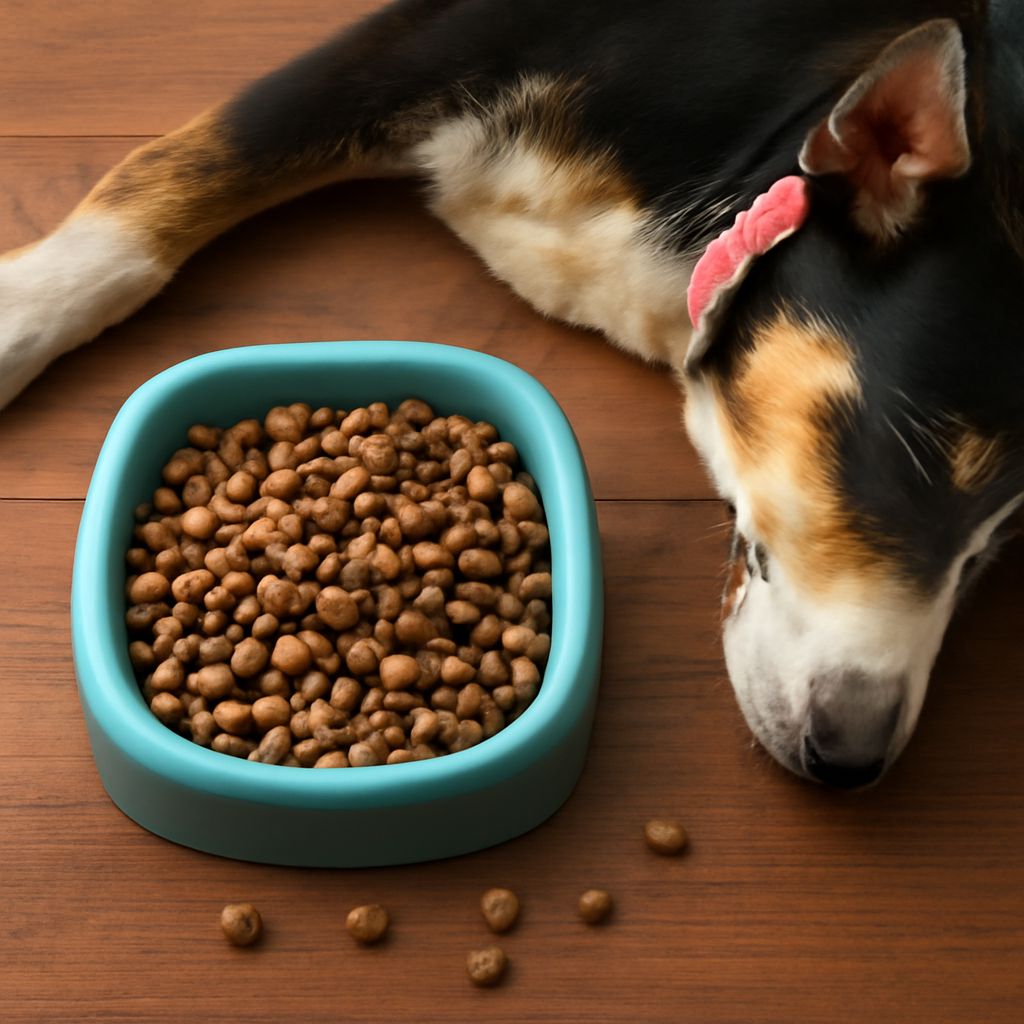
Food neophobia — reluctance to eat new food — is a learned behavior, not a dietary disorder. Transition to a new diet gradually over 7 to 10 days by mixing increasing proportions of the new food with the familiar one. Forcing abrupt changes causes gastrointestinal upset and reinforces avoidance of the new product.
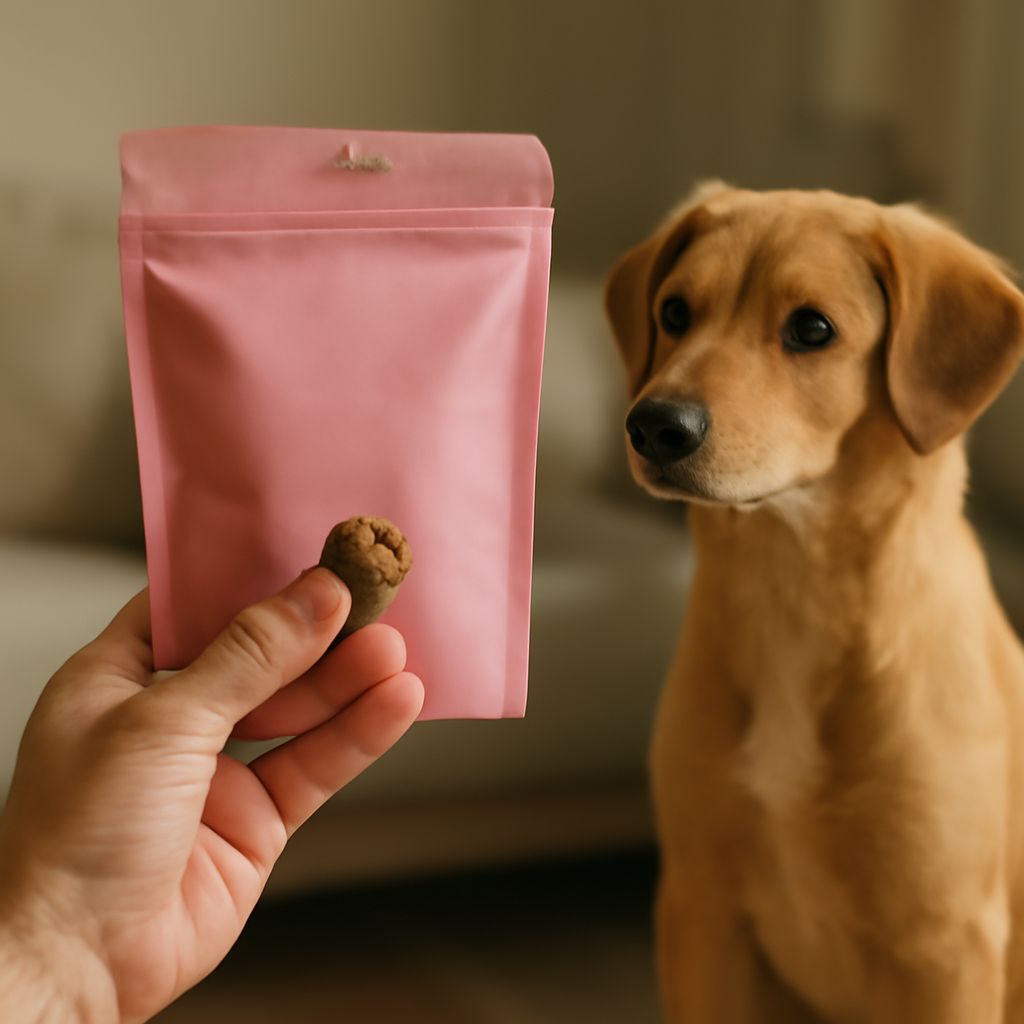
When a dog reduces physical affection suddenly, the cause is usually physical discomfort rather than a relationship shift. Arthritis, sore muscles, or skin sensitivity can make being touched painful. A veterinary exam is warranted for any dog that has noticeably withdrawn from previously enjoyed contact.
Bottom line: Papaya is a safe occasional treat, and most avoidance behaviors in dogs have identifiable physical or behavioral causes. Observe patterns, consult a veterinarian for sudden changes, and work with a certified trainer for persistent behavioral issues.